How IT Is Changing Tree Law in St. Louis: Digital Evidence, Property Lines, and Neighbor Disputes

IT News for Tree Law St. Louis T

ree disputes once depended heavily on memory, handwritten notes, printed photographs, and conflicting accounts between neighbors. Today, information technology is changing how property owners, attorneys, surveyors, arborists, insurance professionals, and local officials collect and review information involving trees, property boundaries, storm damage, and neighborhood disagreements.

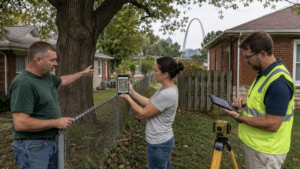
The change is especially noticeable in a city such as St. Louis, where mature trees, older neighborhoods, closely positioned homes, alleys, utility lines, and long-established property boundaries can create complicated situations. A large branch may cross a fence, roots may extend beneath a driveway, or a storm-damaged tree may fall across two properties. When the people involved disagree about what happened, digital records can provide a clearer timeline.

Modern tree disputes may now include geographic information systems, property databases, smartphone photographs, security-camera footage, drone imagery, weather records, text messages, cloud backups, and electronically filed court documents. These tools do not replace legal advice, professional surveys, or qualified tree inspections. They do, however, give the parties involved more information than previous generations of property owners could easily obtain.

For St. Louis residents dealing with a boundary tree, damaged property, hazardous limbs, or another tree-related concern, a knowledgeable Tree Law St. Louis professional can help connect the physical condition of the tree with the records, evidence, and property information surrounding the dispute.

Digital Mapping Is Making Property Information Easier to Access

One of the most important changes involves digital mapping. Geographic information systems, commonly known as GIS, combine maps with layers of location-based information. A GIS platform can display parcel outlines, addresses, streets, buildings, zoning information, aerial photography, and other records in one digital environment.

The Wikipedia overview of geographic information systems explains how GIS technology is used to store, manage, analyze, and display geographic data. Although GIS has applications ranging from transportation to environmental science, it has become particularly useful for local governments, property professionals, utility companies, engineers, and residents trying to understand land-related information.

The City of St. Louis maintains geospatial research and GIS resources that support mapping, planning, and location-based research. These resources demonstrate how deeply information technology has become integrated into modern city management. What once required a visit to a government office may now begin with a digital map viewed from a home computer.

This access can be valuable during a tree dispute. A property owner may use an online map to understand the general configuration of neighboring parcels, locate identifying parcel information, or prepare for a conversation with a surveyor or attorney. Aerial images can also help show the historical placement of a tree canopy, fence, driveway, garage, or other visible feature.

Digital parcel maps still have limitations. A line displayed on a public GIS map should not automatically be treated as the exact legal boundary between two properties. Map layers can be based on records created at different times, and the visual line may not account for the precise location of survey monuments. A licensed surveyor remains the appropriate professional for establishing a legal boundary in the field.

Online Property Records Provide a Starting Point

Information technology has also made property records more accessible. The City of St. Louis offers an official address and property search that allows users to review information associated with an address or parcel. Available records may include assessed property information, ownership details, permit activity, and ward information.

For properties outside the independent City of St. Louis, the St. Louis County property lookup system provides access to parcel and property information through the county’s open-data resources. The county also maintains a geospatial data center with mapping applications that can assist residents and professionals conducting preliminary property research.

These databases can help identify the recorded owner of a parcel, verify an address, locate a parcel number, or gather background information before requesting deeds, surveys, permits, or additional documentation. When a rental property, vacant lot, commercial building, trust, or business entity is involved, finding the correct owner can be an important early step.

Online records may also reveal information that affects how a dispute is evaluated. A permit history could show when a fence, addition, garage, or other structure was approved. Assessment records may help distinguish one parcel from another. Historical maps and aerial images may provide context about how long a visible feature has existed.

These records should be treated as research tools rather than final legal conclusions. Ownership records, assessment data, deeds, recorded easements, surveys, and physical boundary markers serve different purposes. Strong digital research brings those sources together instead of relying on a single screenshot.

Smartphones Have Turned Residents Into Evidence Collectors

The smartphone has become one of the most influential technologies in modern property disputes. Nearly every resident now carries a camera, video recorder, clock, calendar, communication device, and file-storage system in one pocket-sized tool.

A property owner can photograph a cracked trunk, hanging limb, uprooted tree, damaged fence, broken roof, blocked driveway, or exposed root system within seconds. Video can capture the movement of a tree during high winds, the sound of branches striking a structure, or the condition of an area immediately after a storm.

The timing of those photographs can matter. Images taken before damage occurs may document the earlier condition of a tree. Photographs taken immediately after an incident can preserve details that disappear during cleanup. Later photographs may show continuing deterioration, repair work, or changes made by either property owner.

Digital images can contain metadata, including the date and time a file was created and, depending on device settings, location information. Metadata is not automatically perfect or conclusive, since device clocks can be incorrect and files can be edited or transferred. Preserving the original file is therefore more useful than keeping only a screenshot or a compressed copy sent through social media.

The National Institute of Standards and Technology’s digital-evidence resources describe digital forensics as the process of retrieving, storing, and analyzing electronic data that may be useful in an investigation. Although many NIST materials address criminal and forensic applications, the underlying principles of careful collection, preservation, and documentation also illustrate why original electronic records can be important in civil disagreements.

A sensible digital record may include wide photographs showing the entire area, close photographs showing specific damage, videos, dates, written notes, estimates, invoices, arborist findings, survey documents, and copies of relevant communications. Keeping these materials in an organized folder can make them easier to review later.

Text Messages and Emails Can Establish a Timeline

Neighbor disputes often develop gradually. One resident may notice a weakened branch, leaning trunk, root problem, or damaged retaining wall months before a serious incident occurs. The residents may discuss the issue by text message, email, social media, or a neighborhood communication platform.

These communications can create a dated record of what was reported, when it was reported, and how the other person responded. A message stating that a large branch appears unstable may become part of the factual history. A reply agreeing to contact a tree company may also be relevant. Estimates, appointment confirmations, inspection summaries, and photographs exchanged electronically can add detail to the timeline.

Digital communication can reduce later disagreement about the substance of a conversation. Spoken discussions are easily remembered differently, particularly after property damage occurs. Written communication preserves the words used at the time.

The most useful messages are calm, specific, and factual. Insults, threats, exaggerations, and accusations can make a manageable property issue more difficult. A clear message identifying the tree, describing the observed condition, attaching photographs, and requesting a reasonable response creates a more helpful record.

Important messages should be saved outside the original application. Phones can be damaged, accounts can be deleted, and platforms may limit access to older content. Exported conversations, screenshots that include dates and names, printed copies, and secure cloud backups can help preserve the record.

Security Cameras Can Capture Events as They Happen

Residential security cameras and video doorbells have added another source of digital evidence. A camera may record a branch falling, a contractor entering a property, a tree being cut, a vehicle being damaged, or debris crossing a property line.

Camera footage can sometimes provide information that still photographs cannot. Video may show wind conditions, direction of movement, the timing of an event, the people present, and the sequence of actions before and after damage occurs.

The usefulness of a recording depends on its quality and preservation. Many camera systems automatically overwrite older footage after a limited period. A relevant clip should be downloaded promptly and stored in its original format when possible. The property owner should also preserve a longer portion of the recording rather than saving only a few seconds. Additional footage may provide context and reduce arguments that the clip was selectively edited.

Camera timestamps should be checked for accuracy. Power outages, daylight-saving changes, internet interruptions, and incorrect system settings can affect the displayed time. Other records, including weather reports, emergency calls, messages, and photographs, may help confirm when an event occurred.

Drones Are Adding a New View of Trees and Rooflines

Drones can provide detailed aerial images of tree canopies, upper branches, rooftops, gutters, fences, and areas that are difficult to observe safely from the ground. Arborists, roof inspectors, insurance professionals, photographers, and property consultants may use drone imagery when evaluating storm damage or documenting conditions.

Aerial photographs can show how a canopy extends across multiple properties. They can also reveal broken upper limbs, impact points on a roof, debris patterns, and the relationship between a tree and nearby structures.

Drone use is regulated. The Federal Aviation Administration’s drone guidance explains that drone pilots must operate without creating a hazard to people or property. The FAA also distinguishes recreational activity from work performed for a business or service, with many nonrecreational operations falling under Part 107 requirements.

Privacy, safety, local restrictions, airspace rules, and pilot qualifications should be considered before using a drone. A property owner should not assume that owning a drone provides unlimited permission to fly wherever desired. When aerial documentation is needed, hiring a properly qualified professional can produce better images while reducing safety and compliance concerns.

Digital Evidence Still Requires Careful Preservation

Technology creates more evidence, but it also creates more opportunities for information to be lost, altered, compressed, or misunderstood. A screenshot may omit the sender’s identity. A photograph copied through a messaging application may lose metadata. A video may be trimmed. An online property map may later be updated. A social media post may disappear.

Original files should be retained whenever possible. Copies can be created for sharing, while the source files remain unchanged. Descriptive filenames can identify the date, location, and subject without altering the underlying content. Backups can be stored in more than one secure location.

A simple evidence log can also be useful. The log may identify each photograph, video, message, invoice, inspection, and record by date. It can note who created the item, where it came from, and what it appears to show. This organization makes a large volume of material easier for an attorney, insurer, surveyor, arborist, mediator, or court to review.

The goal is not to create the largest possible collection of files. The goal is to preserve reliable information that explains the property, the tree, the reported condition, the communications between the parties, and the resulting damage or work.

Electronic Court Systems Are Changing Legal Case Management

Courts have also adopted information technology. Missouri’s judiciary provides electronic systems for case information and filing, allowing authorized users to submit and manage court documents digitally. The official Missouri Courts electronic filing system reflects the broader transition from paper-based case management to electronic legal records.

This transition affects how tree and property disputes are prepared. Digital photographs may be organized as exhibits. Emails and text messages may need to be converted into readable documents. Maps, inspection reports, estimates, and repair invoices may be stored and exchanged electronically.

Digital filing does not make every electronic record admissible or persuasive. The source, relevance, completeness, authenticity, and context of the material still matter. Technology helps deliver the evidence, while legal standards determine how it may be used.

Technology Can Support Resolution Before a Dispute Escalates

The greatest benefit of information technology may be its ability to resolve disagreements before they become expensive legal conflicts. A shared map, recent survey, series of dated photographs, written arborist opinion, or clear set of messages can move a conversation away from assumptions and toward verifiable facts.

Two neighbors may discover that the tree is not located where either person believed. An aerial image may show that a branch poses a greater risk than it appears to from the street. An inspection report may identify maintenance that can be completed without removing the entire tree. A documented timeline may help an insurance company understand when the damage occurred.

Technology works best when it supports professional judgment. GIS records can guide research, but a surveyor establishes boundaries. Photographs can document visible conditions, but an arborist evaluates tree health and risk. Digital communications can establish a timeline, but an attorney interprets their legal significance.

Conclusion

Information technology is changing the way St. Louis property owners understand and document tree-related disputes. GIS platforms, online property databases, smartphones, security cameras, drones, cloud storage, digital communications, and electronic court systems provide access to information that was once difficult or expensive to obtain.

These tools can clarify property locations, preserve the condition of a tree, document storm damage, establish a communication timeline, and organize records for professional review. They can also create problems when files are incomplete, maps are treated as exact surveys, footage is lost, or digital information is taken out of context.

The strongest approach combines modern technology with reliable professional assistance. Accurate records, original files, qualified inspections, formal surveys, respectful communication, and informed legal guidance can help transform a confusing neighbor dispute into a documented issue that can be evaluated fairly and resolved more efficiently.

What IT Consultants Can Learn from The Forbidden Flame: Strategy, Pressure, and the Cost of Ignoring Hidden Threats

IT News for epic fantasy books

IT consultants live in a world where the obvious problem is rarely the only problem. A server goes down, but the real issue may be aging infrastructure. A client complains about software performance, but the deeper concern may be poor internal processes. A cybersecurity scare appears to be one isolated incident, but underneath it may be years of ignored warnings, outdated systems, weak passwords, and leadership that kept pushing technology decisions further down the road.

That is why The Sinsworn Chronicles, Book II: The Forbidden Flame offers more than entertainment. At first glance, it belongs in the world of epic fantasy books, but the themes inside the story connect powerfully with the daily life of an IT consultant. Strategy matters. Pressure reveals character. Hidden threats do not stay hidden forever. When leaders fail to recognize danger early, the consequences can grow far beyond what they expected.

For IT consultants, this kind of story becomes a mirror. The battles may be fictional, the world may be imagined, and the stakes may be wrapped in fantasy, but the lessons feel very real. Modern businesses are under pressure from artificial intelligence, cybersecurity risk, rising technology costs, talent shortages, and fast-changing customer expectations. Gartner has projected worldwide IT spending to reach $6.15 trillion in 2026, showing how much organizations are investing in technology while trying to keep up with change. Gartner

Strategy Begins Before the Crisis

One of the strongest lessons IT consultants can take from The Forbidden Flame is that strategy cannot begin after the danger is already at the door. In fantasy, kingdoms fall when leaders wait too long to act. In business, companies struggle when they treat technology as an afterthought instead of a foundation.

A good IT consultant understands that strategy is not just about fixing what is broken. It is about seeing what is coming, preparing the organization, and helping decision-makers understand the cost of delay. That includes infrastructure planning, cybersecurity readiness, cloud strategy, data protection, automation, vendor selection, and long-term digital growth.

This is especially important now because technology is no longer a side department. It sits at the center of operations, sales, marketing, customer service, finance, logistics, and leadership. Deloitte’s Tech Trends 2026 report highlights how organizations are moving from experimentation to real impact as technology innovation accelerates. Deloitte

That means IT consultants have to think like strategists, not just technicians. They need to help clients connect technology decisions to business outcomes. A recommendation is stronger when it is tied to revenue protection, customer experience, operational efficiency, compliance, and long-term resilience.

In The Forbidden Flame, strategy is not passive. It requires awareness, timing, courage, and the willingness to act before every answer is comfortable. That is the same mindset consultants need when advising clients who are overwhelmed, underprepared, or unsure where to begin.

Pressure Reveals the Strength of the System

Pressure has a way of exposing what was already weak. In a fantasy story, pressure may come through battle, betrayal, fear, or a rising threat that can no longer be ignored. In IT consulting, pressure comes through downtime, cyberattacks, failed migrations, budget cuts, employee frustration, and urgent client demands.

The important lesson is this: pressure does not usually create the weakness. It reveals it.

A company may believe its systems are stable until one outage brings operations to a stop. A leadership team may believe its cybersecurity plan is “good enough” until a phishing attack exposes gaps in training. A business may think its technology budget is manageable until AI costs, software subscriptions, and infrastructure needs begin stacking up. Recent reporting from CIO noted Gartner’s revised forecast showing stronger projected IT spending growth in 2026, with AI infrastructure helping lead the increase. CIO

This is where IT consultants become valuable guides. They can help businesses prepare for pressure before it becomes painful. That might mean developing a disaster recovery plan, improving backup systems, strengthening endpoint protection, documenting processes, or helping leadership understand the true cost of technical debt.

The best consultants do not simply wait for the client to panic. They educate. They show risk clearly. They explain options in plain language. They help leaders make decisions before urgency removes their ability to think clearly.

Hidden Threats Are Often the Most Expensive

The title The Forbidden Flame carries the feeling of something powerful, dangerous, and difficult to contain. For IT consultants, that idea translates directly into one of the biggest challenges in business technology: hidden threats.

Hidden threats can take many forms. They may be outdated software, unpatched systems, weak access controls, undocumented admin privileges, untrained employees, poor vendor oversight, or sensitive data stored in the wrong place. They may also come from the belief that “it has worked fine so far,” which is one of the most dangerous assumptions a business can make.

Cybersecurity is one of the clearest examples. The World Economic Forum’s Global Cybersecurity Outlook 2026 explains that cybersecurity trends continue to affect economies and societies, not just individual companies. World Economic Forum

For an IT consultant, this reinforces the importance of speaking up early. Clients may not always want to hear that their systems are vulnerable. They may not want another expense. They may not want to slow down long enough to fix the foundation. But the cost of ignoring hidden threats is almost always higher than the cost of addressing them.

In fantasy, ignored threats grow in the shadows. In business, they grow in neglected dashboards, outdated documentation, skipped updates, and leadership meetings where technology risk gets pushed aside for another quarter.

A Consultant Must See What Others Miss

The best IT consultants are not valuable simply because they know software, hardware, networks, or cybersecurity. They are valuable because they can see patterns others miss.

That is one reason The Forbidden Flame connects so well with the consulting mindset. Stories built around danger, loyalty, power, and consequence often require characters to look beyond the surface. They must recognize small signs before they become major turning points. They must understand that what looks like one problem may actually be connected to something much larger.

IT consultants do this constantly. A slow system may point to poor architecture. Repeated employee workarounds may point to bad software fit. Frequent support tickets may point to weak training. Missed project deadlines may point to a deeper disconnect between leadership goals and technical capacity.

According to Wikipedia’s overview of information technology consulting, IT consulting focuses on advising organizations on how to use information technology to meet business objectives. That definition matters because it places consulting in the role of guidance, not just repair. A consultant is there to help the business move toward a stronger outcome.

This kind of guidance requires discernment. IT consultants have to listen carefully, ask better questions, and translate complex issues into decisions a business owner or executive can actually act on. They must also avoid the trap of only solving the problem the client names, because the named problem is not always the real one.

Technology Without Leadership Creates Risk

Another lesson IT consultants can take from The Forbidden Flame is that power must be governed wisely. In fantasy, power without wisdom often leads to destruction. In business, technology without leadership creates confusion, waste, and risk.

AI is a strong example. Companies want the benefits of automation, faster workflows, better insights, and competitive advantage. But AI also brings challenges around cost, governance, security, accuracy, employee adoption, and ethical use. McKinsey’s Technology Trends Outlook 2025 identifies major technology trends shaping business, including artificial intelligence and agentic AI. McKinsey & Company

For IT consultants, this creates a major opportunity. Clients need help choosing tools, building policies, protecting data, training teams, and measuring results. They need someone who can separate excitement from strategy. They need someone who can say, “This tool may be powerful, but here is how we make sure it actually serves the business.”

That is leadership. It is not fear-based. It is not overly technical. It is clear, grounded, and focused on the client’s long-term success.

In The Forbidden Flame, power is never neutral. It has consequences based on who uses it, why they use it, and whether they understand what they are handling. The same is true in business technology. A powerful system used carelessly can create more problems than it solves. A powerful system guided wisely can help a business grow stronger.

Communication Can Be the Difference Between Trust and Panic

IT consultants often operate between technical teams and non-technical leaders. That means communication is not a soft skill. It is a survival skill.

A consultant may understand the risk perfectly, but if they explain it poorly, the client may ignore it. A consultant may know the right solution, but if the client feels overwhelmed, confused, or pressured, they may delay the decision. This is why the best consultants know how to communicate with clarity and calm.

The Forbidden Flame reminds readers that pressure-filled moments require more than intelligence. They require courage, timing, and the ability to help others understand what is truly at stake.

In consulting, this may mean turning technical language into business language. Instead of saying, “Your endpoints lack sufficient protection,” a consultant may say, “Your team’s computers are not protected strongly enough, and one wrong click could put your files, customer data, and operations at risk.” That kind of explanation helps the client understand the danger without feeling talked down to.

Trust grows when clients feel guided, not embarrassed. Strong communication helps clients make better decisions because they finally understand why the recommendation matters.

The Cost of Delay Is Usually Paid Later

One of the most important lessons from both fantasy and IT consulting is that delayed action has a cost. Leaders may postpone decisions because they are busy, cautious, underfunded, or unsure whom to trust. But delay does not freeze the threat. It often gives the threat more room to grow.

For IT consultants, this shows up in many familiar ways. A company delays a website rebuild and loses leads. It delays cybersecurity improvements and faces a breach. It delays cloud modernization and struggles with performance. It delays replacing outdated software and watches employees create inefficient workarounds. It delays data cleanup and then cannot trust its own reporting.

The consultant’s job is not to create panic. The consultant’s job is to create clarity.

A strong consultant helps the client see the difference between a manageable issue today and a major problem tomorrow. That is where strategy, pressure, and hidden threats all meet. Businesses do not need fear. They need foresight. They need someone willing to point out what is being missed and offer a practical way forward.

Conclusion

The Sinsworn Chronicles, Book II: The Forbidden Flame may be a fantasy novel, but its deeper themes reach into the real world of business, leadership, and technology. IT consultants can learn from the way the story treats strategy, pressure, hidden danger, and the consequences of ignoring what should have been addressed sooner.

The modern IT consultant is not just a fixer. A consultant is a guide, translator, strategist, risk spotter, and trusted voice in moments when businesses feel overwhelmed by change. As companies continue investing in AI, cybersecurity, cloud systems, automation, and digital transformation, they need consultants who can see beyond the obvious and help them make wiser decisions.

That is the powerful connection between The Forbidden Flame and the work of IT consulting. The setting may be fantasy, but the lesson is practical: hidden threats matter, pressure reveals weakness, and strategy must begin before the crisis arrives.

Why an IT Company Needs Reliable Mid-Duty Pallets for Hardware Logistics

IT News for Mid-Duty Pallets

In an IT company, hardware logistics is rarely treated as a headline issue until something goes wrong. Servers arrive damaged. Networking equipment gets delayed between locations. Replacement parts are stacked poorly in storage. Field technicians lose time hunting for organized inventory. A warehouse that looked functional on paper starts creating hidden inefficiencies that affect project timelines, client service, and profitability. That is why pallet choice matters more than many technology leaders realize.

Whether an IT company handles laptops, monitors, switches, routers, rack components, peripherals, or infrastructure equipment for data center and office deployments, the way those assets are stored and moved has a direct impact on operations. Reliable Mid-Duty Pallets provide a smart balance between strength, flexibility, and cost control for hardware logistics. They support organized storage, consistent material handling, safer transport, and a cleaner inventory environment without pushing a company into unnecessary overengineering.

As IT companies continue expanding their device fleets, refreshing infrastructure, and supporting distributed operations, logistics has become a business issue rather than just a warehouse issue. The broader technology market is also putting more pressure on physical hardware movement. Demand tied to AI infrastructure, data center growth, and hardware investment continues to shape supply chains across the industry, making dependable internal logistics more important than ever, as seen in recent reporting from Reuters, The Wall Street Journal, and AP News.

The Real Logistics Demands Behind Modern IT Operations

An IT company may not think of itself as a warehouse-driven business, but many of its daily responsibilities depend on organized physical inventory. Managed service providers keep replacement devices and networking equipment ready for client emergencies. IT integrators coordinate incoming and outgoing shipments for installations. Data center support teams manage racks, parts, cable assemblies, and hardware staging. Internal enterprise IT departments handle constant movement of monitors, docking stations, desktops, printers, access points, and decommissioned equipment.

That hardware must be protected, counted, moved, staged, and retrieved efficiently. A pallet, by definition, is a transport structure designed to support goods while they are lifted and moved by equipment such as forklifts and pallet jacks, as explained by Wikipedia. In practice, for an IT company, the right pallet becomes part of a larger system of inventory control and workflow consistency.

When pallet quality is poor or pallet capacity does not match the actual load profile, the result is often subtle but expensive. Boxes shift. Packaging weakens. Storage footprints become inconsistent. Teams create workarounds. Safety risks rise. The company starts absorbing small losses in time and product condition that add up over months of operation.

Why Mid-Duty Pallets Make Sense for IT Hardware

Not every hardware load requires an extremely heavy industrial pallet, and not every IT environment can get by with lightweight handling platforms. That is where mid-duty solutions stand out. They are well suited for loads that need dependable support without unnecessary bulk, making them ideal for many technology companies handling boxed devices, hardware components, equipment accessories, and mixed inventory.

An IT company often stores a broad range of products with varying dimensions and weights. Some loads are compact and dense, like batteries, peripherals, and small networking components. Others are larger but lighter, such as monitors, keyboards, or packaged workstations. Mid-duty pallets create a practical middle ground for these mixed-use conditions. They support repeat movement through storage and shipping areas while helping operations stay efficient and organized.

This matters even more in a market where hardware conditions can shift rapidly. IDC recently reported continued pressure on device markets from memory shortages and pricing changes, underscoring how hardware planning and inventory discipline remain important across the technology sector, according to IDC. When products are more expensive, harder to source, or more critical to project delivery, protecting them inside the warehouse becomes a stronger operational priority.

Better Protection for High-Value Equipment

IT hardware is valuable, but it is also vulnerable. Even when products arrive in manufacturer packaging, they are still exposed to stacking pressure, impact during movement, compression in storage, and instability during transport inside a facility. A pallet that performs reliably helps reduce those risks by creating a stable base for the entire load.

For an IT company, that stability matters because the products involved are often tied directly to revenue-generating work. A damaged server component can delay deployment. A crushed shipment of laptops can derail an onboarding schedule. A mishandled networking order can slow a client project and create avoidable service issues. Reliable pallet support helps reduce the chance that physical handling problems become client-facing problems.

The technology world is investing heavily in physical infrastructure, not just software and cloud services. Reuters recently reported continued momentum around major AI and hardware investments, reflecting how much the sector depends on the real-world movement of equipment and components across supply chains and facilities Reuters. For companies that manage hardware directly, dependable pallet systems are part of protecting that investment at the ground level.

Improved Warehouse Organization and Faster Access

A reliable pallet strategy helps an IT company create order in spaces that can otherwise become cluttered fast. Hardware logistics usually involve multiple categories moving at once: new devices, refurbished equipment, returns, accessories, spare parts, cabling, warranty replacements, and staged job materials. Without consistent palletized storage, these categories can blur together and cause confusion.

Mid-duty pallets make it easier to standardize how products are stored, labeled, and accessed. That improves bin logic, staging practices, and floor layout planning. Teams can build clearer storage zones for incoming inventory, outbound orders, high-priority replacement stock, and retired equipment awaiting processing. That structure saves labor, reduces mispicks, and helps technicians and warehouse staff find what they need without delay.

In a growing technology environment, speed matters. If a field team needs a replacement firewall, switch, or laptop right away, the company cannot afford to waste time navigating disorganized stacks of mixed inventory. Better pallet-supported organization shortens retrieval times and strengthens operational confidence.

Safer Material Handling for Employees and Equipment

Safety is one of the most overlooked reasons to invest in better pallet solutions. Unstable or damaged pallets can lead to poor load balance, collapsing stacks, difficult jack movement, and awkward manual repositioning. In an IT logistics environment, that creates unnecessary risk for employees and for the expensive hardware being handled.

Reliable mid-duty pallets help maintain predictable handling conditions. They support cleaner movement through aisles, docks, and staging zones. They also reduce the temptation to improvise with unsuitable platforms or overloaded storage methods. A safer warehouse is not only better for employees. It is also better for service consistency, insurance exposure, and overall operating discipline.

That matters in a logistics landscape becoming more specialized around technology infrastructure. The Wall Street Journal recently reported that logistics providers are expanding warehouse capacity to support data center and component supply needs, highlighting the increasing complexity of tech-related hardware movement The Wall Street Journal. Even smaller IT companies can learn from that trend by tightening their own material handling standards before growth makes the need more urgent.

A Smarter Fit for Mixed Hardware Inventories

One reason mid-duty pallets are especially useful for IT companies is that technology inventory is rarely uniform. An operation may handle compact spare parts one day and bulk workstation shipments the next. It may stage equipment for one large deployment while also maintaining service stock for recurring client support. That kind of variety calls for pallet solutions that are dependable but adaptable.

Heavy-duty pallets can be more than necessary for many IT applications, especially when floor space, maneuverability, and cost efficiency matter. Lightweight options, on the other hand, may not give enough consistent support for repeated use and mixed loads. Mid-duty pallets often fit the real operational profile better by balancing durability with practicality.

That balance becomes even more important as the technology sector grows more infrastructure-intensive. Broader concerns around data center expansion and power demand show how fast physical tech operations are evolving, as covered by AP News. The more hardware an organization handles, the more valuable dependable storage and transport systems become.

Operational Efficiency That Supports Client Service

Clients usually never see the warehouse side of an IT company, but they absolutely feel its impact. If inventory is well managed, deployments happen faster. If replacement stock is protected and easy to access, downtime gets resolved sooner. If outbound shipments are prepared accurately, project execution looks smoother and more reliable.

That is why pallet quality should not be treated as a background purchasing decision. It affects response times, asset control, labor efficiency, and damage prevention. When an IT company invests in more dependable hardware logistics, it is also investing in better client experience.

This is especially relevant in a market where physical infrastructure spending continues to accelerate. As major technology players keep building around AI, compute, and hardware capacity, the broader supply chain environment remains active and competitive, as recent Reuters coverage has shown Reuters. Companies that rely on hardware cannot afford casual warehouse habits when the assets moving through their facilities are increasingly valuable.

Reliable Pallets Help Build a More Scalable IT Operation

What works for a small storage room often fails once an IT company starts growing. More clients, more devices, more deployment projects, and more replacement inventory all place pressure on the warehouse system. A company that prepares early with stronger pallet-supported organization has an easier path to scale.

Reliable mid-duty pallets help support that transition. They make it easier to expand storage areas logically, create repeatable handling procedures, and keep hardware flow under control as volume increases. Instead of rebuilding warehouse habits later under pressure, a company can establish a better foundation now.

Scalability in IT is often discussed in terms of cloud capacity, automation, and staffing. Those things matter, but physical logistics still plays a major role for any company moving real devices and infrastructure. Better pallets support the practical side of growth in a way that is easy to underestimate until demand exposes the weakness.

Conclusion

An IT company depends on more than technical skill and software knowledge to serve clients well. It also depends on how effectively it manages the physical flow of hardware behind the scenes. Reliable mid-duty pallets support safer handling, stronger organization, better equipment protection, and more efficient operations across storage, staging, and transport.

For companies managing laptops, servers, networking gear, monitors, accessories, and replacement inventory, the right pallet choice is not a minor warehouse detail. It is part of building a more disciplined, responsive, and scalable business. In a technology environment shaped by rising infrastructure demand, tight hardware conditions, and increasing logistics complexity, dependable pallet systems can give an IT company a meaningful operational advantage.


Florida BIM Firms Run on Data, Deadlines, and Trust, IT Services Keep All Three Protected 🚀

Florida BIM Company for IT News

A Florida BIM company lives in a world where models are money, timelines are tight, and coordination lives or dies by the reliability of your technology stack. Every Revit file, point cloud, clash report, and coordination note represents real labor, real liability, and real project momentum. When the tech foundation is shaky, production slows, teams get frustrated, and clients feel it immediately.

IT services are not a “nice-to-have” for BIM in Florida. They are the operational backbone that keeps deliverables moving, protects sensitive project data, and supports the kind of collaboration that modern construction teams expect. The firms that treat IT like a core business system create smoother workflows, stronger security, better uptime, and a calmer production environment for the people doing the work. ✅

BIM Production Requires High-Performance, Well-Managed Systems

BIM work is compute-heavy, storage-hungry, and brutally unforgiving when performance dips. Models grow fast, linked files multiply, and coordination requirements keep expanding across trades. When workstations are underpowered, drivers are outdated, or storage is mismanaged, small delays stack into lost hours across the week. A Florida BIM company with multiple active jobs can feel a performance issue like a slow leak in a tire, it looks minor until it ruins the whole day.

A quality IT partner standardizes hardware specs, keeps GPU and system drivers stable, manages patching without breaking production, and makes sure your staff is not playing tech support between deadlines. The result is not just speed, it is predictability. Predictability is what keeps BIM managers confident when a GC meeting is tomorrow and the model needs to publish tonight.

IT also helps build repeatable environments across the team, so opening, syncing, exporting, and coordinating feels consistent from one workstation to another. That consistency reduces errors, simplifies onboarding, and keeps the “it works on my machine” problem from becoming a weekly headache.

Cybersecurity Is a Direct Risk to Projects, Contracts, and Reputation 🔐

BIM firms handle highly sensitive information: building layouts, security plans, MEP systems, access details, and internal client communications. That data has value, and it can also carry legal exposure. Ransomware, credential theft, business email compromise, and vendor impersonation are not abstract problems anymore. They are business risks that can shut down production or create a breach scenario that ripples through client relationships.

A strong IT services setup brings layered protections: managed endpoint security, email security controls, multi-factor authentication, secure password policies, device encryption, and monitored backups. It also establishes incident response readiness, so the firm is not improvising while the clock is ticking and project teams are waiting.

This matters even more in a world where cybersecurity headlines keep escalating and the threat landscape shifts constantly. Staying aware of the pace of change is part of responsible operations, and credible reporting helps business owners keep perspective on what is happening across the industry. Sources like Reuters Technology and Reuters Cybersecurity consistently show how fast risks evolve in real time.

Collaboration and File Management Demand a Secure Cloud Strategy

Modern BIM coordination depends on seamless collaboration across internal teams, consultants, and clients. Files are large, versioning matters, and access needs to be controlled without slowing work down. Cloud platforms, remote desktops, VPNs, shared drives, and BIM collaboration tools can either be a smooth runway or a tangled mess depending on how they are deployed and maintained.

IT services help BIM companies build a secure, clean system for collaboration. That includes permissions that match job roles, least-privilege access, secure sharing methods, and logging that supports accountability. It also includes practical safeguards like preventing accidental overwrites, maintaining version history, and ensuring the entire team knows where the source of truth lives.

When cloud collaboration is built properly, project teams stop wasting time hunting for the “latest” file or redoing work that was already updated. Deliverables become cleaner. Coordination becomes calmer. Clients notice the difference because the firm communicates more clearly and hits deadlines more consistently.

Downtime Is Expensive, and BIM Downtime Is Even Worse ⚙️

Every business loses money when systems go down. BIM firms lose money fast because the work is dependent on specialized software, heavy files, and continuous coordination. If a server crashes, a license server fails, a cloud sync breaks, or a network issue stops access to shared models, production can grind to a halt across the whole team.

Managed IT reduces downtime through proactive monitoring, maintenance, redundancy planning, and rapid response. Instead of finding out something is broken when your team is already behind, IT sees warning signs early and resolves issues before they become outages. That shift from reactive to proactive is one of the biggest operational upgrades a BIM company can make.

IT also reduces “micro-downtime,” the constant little interruptions that do not look dramatic but quietly destroy productivity: failed backups, slow NAS performance, unstable Wi-Fi in an office, corrupted user profiles, printer issues that derail submissions, and permission conflicts that block access at the worst moment.

Florida Weather Makes Business Continuity Planning Non-Negotiable 🌧️

Florida carries a unique reality: hurricanes, flooding, power disruptions, and regional storms that can impact offices, staff availability, and internet reliability. A BIM company that depends on local-only infrastructure without redundancy is taking a gamble with deadlines and client expectations.

IT services help build business continuity into the way your firm operates. That includes offsite backups, disaster recovery plans, redundant storage, cloud-based workflows, remote work readiness, and documented procedures that keep the firm functioning even when conditions are disruptive. When the next storm rolls through, the question is not whether it causes disruption, but how well your systems are designed to absorb it.

This is one of the clearest examples of IT being a strategic investment instead of a monthly expense. A resilient IT setup protects revenue, protects client trust, and protects your team from panic-mode work environments during already stressful situations.

Compliance, Documentation, and Client Trust Matter More Than Ever

BIM companies increasingly serve clients who expect professional-grade controls around data handling, access, and documentation. Large GCs, municipalities, healthcare systems, and enterprise owners often require vendors to follow security standards, maintain auditable practices, and prove that sensitive information is protected.

IT services support that expectation by creating documented policies, consistent access control, managed device standards, and secure collaboration methods. It also supports the internal discipline that prevents problems like unmanaged personal devices accessing sensitive files or passwords being reused across systems.

Security and privacy are not only technical subjects, they are boardroom subjects, and they shape how clients choose partners. Ongoing reporting and analysis from sources like WIRED Security and TechCrunch Security reflects how frequently organizations deal with breaches, vulnerabilities, and data exposure, and those realities influence how clients evaluate vendor readiness.

IT Services Strengthen the Entire BIM Pipeline From Start to Delivery

BIM is not only modeling. It is coordination, communication, documentation, and decision support. IT touches every part of that pipeline, whether it is secure meeting systems, reliable VoIP, shared dashboards, managed user accounts, or stable file sync across offices and jobsite environments.

A well-run IT environment gives BIM leadership more control over quality and delivery. It reduces chaos, protects focus time, and gives teams the confidence to move quickly without constant technical friction. It also creates a better employee experience, which matters when BIM talent is hard to find and even harder to keep.

For teams that want to stay plugged into the broader IT environment, including enterprise IT trends and operational shifts that affect tooling and infrastructure, Ars Technica’s Biz & IT coverage is another solid reference point.

Conclusion

A Florida BIM company depends on technology the same way a contractor depends on tools and equipment. When systems are fast, secure, and reliable, the team produces better work with less stress. When systems are unstable or unprotected, the firm pays in lost hours, missed deadlines, client frustration, and preventable risk.

IT services are how a BIM company protects its models, its momentum, and its reputation. They bring cybersecurity protection, performance stability, collaboration structure, downtime prevention, and disaster resilience, all of which directly support delivery and profitability.

For a simple baseline definition of the space that IT services operate within, Wikipedia’s Information Technology overview provides a clean reference point. From there, the news cycle makes one thing clear: IT risk and IT opportunity keep moving, and BIM firms that treat IT as a core business system position themselves to deliver with confidence, even when deadlines are tight and conditions are unpredictable. 💪

Why an Oklahoma Concrete Batch Plant Needs IT Services to Protect Production and Grow with Confidence

IT News for Oklahoma Concrete Batch Plant

Concrete production is hands-on, time-sensitive, and built on consistency. An Oklahoma batch plant lives and dies by uptime, accurate mix designs, reliable dispatch, and the ability to deliver on schedule in a market where weather swings, jobsite changes, and tight construction timelines are normal. Behind the loaders, silos, cement, and aggregates, modern batching depends on technology that has to work every day, all day. That is where IT services stop being a back-office luxury and become an operational necessity.

From plant-floor computers and scale systems to cameras, wireless links, cloud apps, and accounting platforms, a batch plant runs on a mix of operational technology and traditional business IT. When those systems are unsupported, outdated, or unsecured, the risk shows up as downtime, safety exposure, inaccurate data, delayed tickets, and avoidable financial loss. A dedicated IT partner helps keep production stable, data trustworthy, and the business resilient.

Concrete Batching Runs on Operational Technology That Needs Protection

A concrete batch plant is not just another office network. It relies on operational technology, often including industrial control systems that monitor and control physical processes. The industry-wide focus on industrial control system security has increased because vulnerabilities affecting these environments continue to surface, and advisories are published regularly to help operators respond. Resources like CISA ICS Advisories exist specifically because industrial environments face real cyber risk and need timely mitigation guidance.

IT services for a batch plant should include an OT-aware approach that respects production realities while reducing risk. That means network segmentation between office systems and plant systems, strict remote access controls, careful patch planning, secure backups, and visibility into what devices are connected. This is not about adding friction. It is about protecting the controls that keep materials moving, tickets printing, and trucks rolling.

Cybersecurity Incidents Disrupt Manufacturing and Operations in the Real World

Cyberattacks are not limited to tech companies. Large manufacturers have publicly reported operational disruption tied to cyber incidents, including stoppages and phased restarts after attacks. A recent example reported by Reuters described production disruption and recovery steps in the manufacturing sector following a cyberattack. Tata Motors-owned JLR begins phased manufacturing restart post cyber attack

For a batch plant, the practical impact of an incident can include lost dispatch capability, inability to access mix data, delayed invoicing, and halted operations if critical systems are affected. IT services reduce the odds of a successful attack and dramatically improve recovery speed through layered security, monitoring, backup discipline, and an incident response plan that is built for the plant’s reality.

Industrial Vulnerabilities and Advisories Keep Coming, and Plants Need a Systematic Response

Industrial and OT vulnerabilities are not rare events. Reporting on industrial control system vulnerability trends indicates that advisories have reached record highs in recent periods, reinforcing that industrial operators need a repeatable way to track risk and apply fixes. Industrial Control System Vulnerabilities Hit Record Highs

A batch plant rarely has the internal bandwidth to monitor advisories, assess exposure, and coordinate safe updates without disrupting production. IT services provide a system for this work: asset inventories, vulnerability tracking, patch schedules aligned to production windows, validation steps, and documentation. That operational discipline is how plants keep technology stable instead of living in reaction mode.

Everyday IT Issues Can Shut Down Dispatch and Back Office Without Warning

Not every disruption is a hacker. Sometimes the problem is a bad update, a failed installation, or a driver conflict that breaks connectivity. Reports around Windows updates causing installation failures and system issues are a reminder that patching must be managed, tested, and scheduled. Windows 11 February update KB5077181 hits installation errors and system issues

A batch plant can feel these issues more sharply than many businesses because dispatch, ticketing, and production reporting are time-critical. IT services help by standardizing hardware, managing updates in controlled waves, keeping rollback plans ready, and maintaining spares or rapid replacement options for critical workstations.

Security Patching is Constant, and IT Services Keep It From Becoming Chaos

Modern environments require continuous vulnerability management. Major vendors ship large monthly patch releases that include critical fixes, and third-party analysis often highlights the scale of changes and the presence of zero-days. The January 2026 security update coverage from the security community underscores the volume and seriousness of vulnerabilities addressed in a single cycle. Zero Day Initiative — The January 2026 Security Update Review

For a batch plant, unmanaged patching creates two bad outcomes. Delaying patches leaves doors open longer than necessary. Rushing patches can break production-adjacent systems. IT services create balance through patch governance: prioritize critical fixes, test where appropriate, schedule downtime intentionally, and maintain strong backups in case something goes sideways.

Cameras, Remote Access, and Perimeter Devices Are Common Weak Spots

Batch plants often rely on cameras for yard visibility, gate monitoring, theft deterrence, and safety documentation. Those same devices can become entry points when vulnerabilities surface, especially when devices are exposed to the internet or poorly segmented from business systems. Recent reporting highlighted a critical vulnerability affecting certain Honeywell camera models, referencing guidance from CISA and the severity of the issue. Honeywell CCTV cameras vulnerable to hijacking

IT services help by putting cameras and other IoT devices on separate networks, locking down remote access, enforcing strong authentication, keeping firmware updated, and monitoring for unusual behavior. This reduces risk without sacrificing visibility.

IT Services Improve Reliability Across Dispatch, Accounting, and Job Costing

A plant’s success depends on fast and accurate information flow. Dispatch and ticketing must align with inventory, mix designs, trucking schedules, and customer needs. Accounting must match tickets, pricing, fuel, maintenance, and payroll. When systems drift out of sync, the business pays through errors, rework, and delays.

IT services support this operational backbone by maintaining servers and cloud services, managing user permissions, securing file storage, improving connectivity between sites, and keeping integrations stable. This includes practical steps like reliable Wi-Fi coverage in the plant office and scale house, secure VPN for approved remote access, and strong email protection to reduce invoice fraud and credential theft.

Business Continuity and Disaster Recovery Protect the Day’s Pour

Weather events, power issues, hardware failure, and ransomware all have the same operational outcome when there is no plan: downtime. For a batch plant, downtime can spoil a day’s schedule, waste materials, and damage customer trust. IT services reduce that risk with backups that are actually tested, offsite or immutable backup storage, documented recovery steps, and defined recovery time targets for critical systems.

Guidance and advisories from organizations focused on cyber defense emphasize practical mitigations and workarounds for high-impact threats. CISA Cybersecurity Alerts & Advisories This kind of structured, ongoing vigilance is hard to sustain without dedicated IT ownership.

Clear Definitions Matter When Bridging Office IT and Plant Systems

A batch plant sits at the intersection of physical production and digital systems. Understanding industrial control systems and how they differ from typical office IT helps owners and managers make better decisions about networking, access, and risk. Industrial control system

IT services translate those concepts into plant-friendly actions: separating networks, limiting who can access control systems, hardening endpoints, and creating simple processes for onboarding, offboarding, and access reviews. That clarity helps prevent accidental exposure created by convenience-driven workarounds.

Conclusion

An Oklahoma concrete batch plant needs IT services because the work is too operationally demanding to leave technology unmanaged. Production relies on systems that must stay reliable, secure, and recoverable. Cyber threats and industrial vulnerabilities are persistent, patch cycles are intense, and even routine updates can cause disruptions when they are not governed. With IT services, a batch plant gains stability in dispatch and ticketing, protection for plant-floor systems, stronger cybersecurity, and a practical plan for continuity when something breaks.

In a business built on timing and trust, IT services protect the things that keep the plant profitable: uptime, accuracy, safety, and the ability to deliver without disruption.

Commercial Roofing Companies Need IT Managers More Than Ever 🏢💻

IT News for Commercial Roofing Companies Near Me

Commercial roofing has always been a trade built on grit, craftsmanship, and getting the job done under pressure. That reality has not changed. What has changed is the amount of technology woven into every part of running a modern roofing operation. From estimates and project schedules to drone inspections, fleet tracking, safety documentation, invoicing, and customer communication, roofing companies now run on systems as much as they run on ladders and lift equipment.

An IT Manager is the person who makes sure those systems stay reliable, secure, and ready to support growth. When technology breaks, crews stall, money leaks, and reputation takes a hit. When technology is managed well, a roofing company moves faster, quotes smarter, protects margins, and looks more professional at every touchpoint.

Commercial Roofing Is a Technology Business Wearing Work Boots

A commercial roofing company today is a moving network of devices, apps, and data. Office staff relies on bid platforms, email, accounting software, digital plan rooms, and project management tools. Field teams rely on mobile devices for job photos, safety forms, change orders, material delivery updates, and instant communication. Leadership relies on dashboards and reports to understand pipeline, job costing, and cash flow.

When all of that runs smoothly, the business feels organized and confident. When it does not, it feels chaotic. An IT Manager turns technology from a constant frustration into a stable foundation. That includes selecting tools, integrating them, maintaining user access, training teams, and ensuring information is accurate and protected.

Cybersecurity Threats Are Now a Jobsite Risk

Commercial roofing companies have become attractive targets for cybercriminals because they often handle high-dollar invoices, vendor payments, customer contracts, insurance documents, and banking details. One successful phishing email can lead to stolen credentials, fraudulent payments, locked files, and days of downtime. The financial damage is only part of it. The bigger problem is operational paralysis when crews and office teams cannot access schedules, drawings, or files.

An IT Manager reduces the risk with practical controls that match how roofers actually work. This includes multi-factor authentication, device management, password policies, security awareness training, secure backups, and monitoring for suspicious activity. Cybersecurity is not theoretical anymore, and IT news cycles make that clear across the industry, especially around ransomware and business email compromise.

For a pulse on what is happening in cybersecurity reporting, sources like Reuters Technology and TechCrunch Security routinely cover major incidents and trends that affect everyday businesses.

Downtime Costs More Than People Realize

In commercial roofing, time is money in a very literal way. A delayed crew can mean missed weather windows, rescheduled lifts, idle labor, and change orders that become harder to manage. Office downtime can be just as costly. If estimating systems are down, bids do not go out. If accounting is disrupted, payments and payroll get messy. If project documentation is inaccessible, the company looks disorganized in front of GCs and property managers.

An IT Manager designs systems to prevent single points of failure. That means stable networks, proper Wi-Fi coverage in the office and warehouse, resilient cloud setups, standardized laptops and mobile devices, and backup plans that are tested instead of assumed. It also means vendor management so critical tools have support paths and renewal timelines handled before problems hit.

Ongoing coverage of outages, vulnerabilities, and tech reliability issues can be followed through outlets such as Ars Technica’s IT coverage and WIRED Technology, which frequently report on the kinds of disruptions that trickle down into real business operations.

Field Tech Needs a Single Owner, Not a “Whoever Has Time” Approach

Roofing crews are not sitting behind desks. They are on roofs, in heat, in wind, and often under tight deadlines. The technology they use must be simple, durable, and consistent. When every superintendent uses a different app, photos get lost, reports look different, and change order documentation becomes harder to defend. When devices are unmanaged, phones go missing, logins get shared, and job data ends up scattered.

An IT Manager creates consistency across the field by standardizing tools and building a support process that respects the pace of jobsite reality. That includes mobile device management, secure access to shared files, reliable communication platforms, and workflows that keep documentation clean. It also includes short, practical training so adoption stays high without slowing crews down.

Tech industry reporting around the evolving workplace, devices, and platforms is covered broadly by The Verge Tech, which helps frame why companies that depend on mobile workflows need disciplined technology leadership.

Systems Integration Protects Margins and Speeds Up Cash Flow

Many commercial roofers have strong operations but lose efficiency because their tools do not talk to each other. A CRM might not connect cleanly to estimating. Project management might not sync to accounting. Time tracking might live in its own world. The result is double entry, inconsistent data, slow reporting, and invoicing delays.

An IT Manager focuses on connecting the dots. That can mean using native integrations, setting up automation, cleaning up data, and building a single source of truth for job information. Better integration leads to faster estimates, clearer change orders, cleaner job costing, and quicker invoicing, which directly impacts cash flow. That operational advantage can be the difference between a company that feels constantly behind and one that feels in control.

For broader IT leadership trends and how companies structure technology to deliver business value, CIO.com News is a strong resource that tracks how technology management is evolving in real organizations.

Compliance, Documentation, and Trust Are Easier With Strong IT Leadership

Commercial roofing often involves documentation-heavy environments: safety requirements, subcontractor compliance, insurance certificates, warranty records, manufacturer specs, photos, daily reports, and project closeout packages. Losing documentation, storing it poorly, or exposing it accidentally creates business risk.

An IT Manager builds sensible governance around files and access. That includes permissions, retention policies, encrypted storage, and clear folder structures that match how projects actually run. It also supports professionalism. When a GC requests documentation and the roofing company can deliver it quickly, cleanly, and consistently, trust increases. Trust helps win repeat work.

A helpful baseline definition for the scope of the discipline can be found on Wikipedia’s Information technology page, which outlines the broad umbrella that modern businesses are operating under.

A Competitive Edge in Hiring and Retention

Roofing companies compete for talent in a tight labor market. Technology is now part of the employee experience. If systems are slow, devices are unreliable, and communication is chaotic, good people get frustrated. If tools are consistent and support is responsive, teams feel respected and empowered.

An IT Manager improves the day-to-day experience for office staff and field leaders alike. That includes onboarding that works, accounts that are set up correctly, devices that are ready on day one, and support that resolves problems quickly. It is hard to measure on a spreadsheet, but it shows up in morale, turnover, and productivity. 😊

Conclusion

Commercial roofing companies near me do not need technology for the sake of technology. They need it because it is now inseparable from speed, documentation, customer service, safety, and profitability. The systems that run estimating, scheduling, communication, invoicing, and jobsite documentation are business-critical tools. When those tools are unmanaged, the company pays for it in downtime, risk, and wasted labor. When those tools are managed well, the company gains stability, professionalism, and an operational advantage that competitors feel.

An IT Manager is the person who turns the growing stack of apps, devices, and data into a reliable machine that supports the trade. In a world where threats and disruptions show up in the headlines daily, having someone accountable for technology is no longer a luxury. It is part of running a serious commercial roofing operation that wants to grow and stay protected. 🛠️📈

MCT Oil in Coffee for IT Pros: Clean Energy for Long Builds, Long Calls, and Long Days ☕💻

IT News for benefits of MCT oil in coffee

IT work rewards sustained focus. It also demands a nervous system that can shift gears fast, from deep problem-solving to rapid incident response. The modern tech stack moves at the speed of attention, and attention is a biological resource. MCT oil in coffee has become a practical tool for many high-performance professionals because it supports steadier energy, fewer crashes, and a more predictable mental rhythm during high-cognitive workloads. In an industry shaped by nonstop change, it helps to understand any simple lever that can improve how the brain and body show up at the keyboard.

This is not about hype or a magic ingredient. It is about taking a straightforward nutrition concept and translating it into an IT-friendly advantage: more consistent output, cleaner transitions between tasks, and better stamina through long sessions of troubleshooting, coding, reviewing, and communicating.

Why IT Work Creates a Unique Energy Problem ⚙️


IT professionals often operate in a pattern that punishes inconsistent energy. There are long stretches of concentrated effort, followed by bursts of urgency. A day can include strategic planning, heads-down implementation, a surprise escalation, and then documentation and follow-up. That shifting workload creates a common cycle: caffeine spike, short-lived momentum, then a drop in focus and mood later.

The energy issue is not only about being tired. It is also about cognitive stability. Your brain is constantly managing context switching, prioritization, and error detection. That is expensive in mental fuel. When energy fluctuates, the quality of attention fluctuates too. That is when small mistakes slip into configuration changes, scripts, permissions, and deployment steps.

This is why the tech world keeps a close eye on performance habits, from sleep to ergonomics to productivity systems. It is the same reason IT news constantly covers how work patterns evolve and how tools reshape human performance, whether the conversation lives in outlets like WIRED Technology, Ars Technica Biz & IT, TechCrunch, The Verge Tech, ZDNET, or IEEE Spectrum News. Keeping up with IT news is partly about products and platforms, and partly about staying sharp enough to use them well.

What MCT Oil Is and Why It Behaves Differently in the Body 🧠


MCT stands for medium-chain triglycerides. These fats are metabolized differently than many longer-chain fats found in typical diets. The short version is that MCTs are absorbed and used more quickly, which is why people associate them with a fast, usable energy signal compared to heavier fats that take longer to process.

IT professionals do not need a biochemistry degree to benefit from the concept. The relevant takeaway is that MCT oil can provide a more “even” feeling of energy for some people, especially when paired with coffee. That pairing often reduces the sense of running hot and then crashing later. It can also make the morning caffeine feel smoother and less jagged.

From an IT lens, it resembles the difference between a bursty workload and a stable service. Bursty input can create instability. A steadier energy curve tends to support steadier output. That is the appeal.

For context on the broader domain of IT itself, Wikipedia offers a foundational overview of Information technology and how wide the field has become, from infrastructure to software to security to data. The broader and faster the domain gets, the more valuable stable cognition becomes.

The Benefits IT Pros Care About Most 🚀


MCT oil in coffee is popular because the benefits align with the actual pain points of technical work.

One benefit is steadier mental energy. Many people describe fewer mid-morning dips and fewer late-morning cravings when MCT is used consistently. In practical terms, that can mean fewer breaks driven by fatigue and more breaks driven by intention. That matters when you are troubleshooting a stubborn issue, building a complex feature, or working through a long backlog.

Another benefit is improved focus continuity. IT work often requires holding multiple variables in mind while tracing cause and effect. A steadier energy profile can make it easier to stay in the same mental “workspace” longer instead of losing the thread. That supports deeper work, better debugging, and better code review accuracy.

A third benefit is smoother caffeine delivery. Coffee alone can sometimes feel like a sharp spike, especially on an empty stomach. Adding MCT oil changes the experience for many people by slowing the perceived intensity and extending the usable window. The coffee still does its job, but the ride can feel more controlled. That is valuable for professionals who need calm focus rather than nervous energy.

A fourth benefit is appetite stability. Long meetings, long tickets, and long builds can lead to random snacking that disrupts attention. MCT oil can help some people feel more satisfied, which reduces the mental noise of hunger and the distraction of constant grazing. That is a quiet productivity win.

A fifth benefit is workflow endurance. For on-call rotations, incident response, and deadline pushes, endurance is often the difference between a clean resolution and a messy one. MCT oil is not a replacement for sleep, hydration, or real meals, but it can be a useful support tool in the broader system of staying resilient.

How to Use MCT Oil in Coffee Without Regretting It 🛠️


This is where many people get it wrong. MCT oil is powerful, and the downside of going too fast is usually digestive discomfort. The correct approach is boring and effective: start small, then scale slowly.

A practical starting point is a small amount mixed into coffee, preferably blended or vigorously shaken to emulsify. That improves texture and reduces the oily layer that can be unpleasant. Over time, the dose can be increased gradually if the body tolerates it well.

Consistency matters more than intensity. The goal is not to turn coffee into a heavy meal replacement and then wonder why energy or digestion feels off. The goal is a reliable, repeatable ritual that supports work output.

It also helps to treat MCT coffee as part of a system. Pair it with hydration, adequate protein across the day, and real food habits that match your workload. IT professionals tend to optimize tools. Nutrition works best when optimized as a stack, not a single trick.

Smart Guardrails for Real Life and Real Bodies 🧩


MCT oil is not ideal for everyone. People with certain digestive sensitivities may not tolerate it well. Some people thrive on it, some people do not. That is normal. It also adds calories, so it should match the user’s goals and overall diet.

It also helps to avoid treating it like a replacement for sleep or recovery. In IT, it is easy to rely on stimulants to push through. A better approach is using MCT oil as a stabilizer, not as a license to run your body into the ground.

If there are medical conditions, medications, or specialized dietary needs, getting professional guidance is the responsible move. Personal performance tools work best when they support long-term health rather than short-term brute force.

Why This Belongs in an IT Professional’s Toolkit 🧰


IT is a performance profession. It is not only about knowledge, it is also about execution under changing conditions. The people who thrive over the long arc are the ones who build repeatable habits that protect attention, mood, and stamina.

MCT oil in coffee is one of those simple habits. It can smooth energy, support focus continuity, reduce the crash cycle, and make intense technical days feel more manageable. It is not a miracle, but it is a legitimate lever, especially for people who already rely on coffee and want that coffee to work better for their brain.

In a world where IT news focuses on faster hardware, smarter software, and more automation, it is easy to ignore the most important platform of all: the human operator. Supporting that operator is not soft. It is strategic. ☕💪

Conclusion ✅


IT professionals live in a high-demand cognitive environment. The benefits of MCT oil in coffee is a practical option for steadier energy, smoother caffeine effects, better focus continuity, and more stable appetite through long technical sessions. It works best when introduced slowly, used consistently, and treated as one tool in a larger system of performance habits. The payoff is not just feeling better, but producing better work with less friction, which is the kind of upgrade that compounds over time. 🚀

Why an SEO Services USA Company Needs IT Services to Grow, Protect Clients, and Stay Competitive 🚀

IT News for SEO services USA

Search marketing looks simple from the outside. Write content, build pages, earn links, track rankings, report results. In real life, a serious SEO Services USA company runs on technology every single day. Your team is managing dozens of logins, cloud platforms, analytics systems, client files, ads accounts, CRM records, call tracking, reporting dashboards, automations, and AI-powered tools. You are also responsible for protecting client data, keeping operations moving, and delivering results on schedule.

That is exactly why IT Services are not a “nice to have.” They are the backbone that keeps an SEO company stable, fast, and trusted. When IT is handled well, your campaigns move smoother, your team works with fewer interruptions, and your clients experience a higher level of professionalism. When IT is ignored, the smallest technical issue can turn into missed deadlines, lost data, security incidents, and reputation damage.

Below is the real-world case for why an SEO Services USA company needs IT Services, not later, not “when we get bigger,” but as a standard part of growth and client care. 💻

The Real Definition of IT in a Marketing Company


Information technology is broader than “fix my computer.” IT is the systems, security, networks, devices, and software that allow a business to create, store, access, and protect information. That matters for SEO because SEO is built on information: data, content, strategy, reporting, and client communication. Even a lean agency is operating inside a complex technology ecosystem every day. A simple baseline understanding of IT helps frame the importance of support, governance, and planning, not just troubleshooting. For context, here is a straightforward overview of IT: Information technology 📚

IT Keeps Your Production Machine Running Without Costly Interruptions


SEO work has a rhythm. Audits, keyword research, content briefs, on-page updates, technical fixes, link outreach, reporting, monthly strategy calls. When laptops slow down, networks drop, accounts lock, files get corrupted, or tools stop syncing, that rhythm breaks. A stalled rhythm is more than annoyance. It becomes delayed deliverables, rushed work, and inconsistent execution.

IT Services reduce friction across your entire workflow. That includes device performance, software updates, shared drive organization, permission management, backups, and proactive monitoring. Instead of your team “figuring it out” mid-project, you get predictable operations. Predictability is what allows an SEO company to scale without burning out staff or disappointing clients.

IT Security Protects Client Trust and Your Reputation 🔒


SEO companies touch sensitive assets all the time: website admin access, hosting credentials, analytics data, payment platforms, email marketing systems, customer databases, and sometimes even employee access inside a client’s organization. One compromised password or one infected laptop can become a breach, an outage, or a public mess.

IT Services bring structure to security: password managers, multi-factor authentication, endpoint protection, device encryption, secure Wi-Fi policies, phishing training, and access control by role. Security is not only a technical topic. It is a brand topic. When clients hire an agency, they are placing trust in how you handle their business data.

If you want ongoing perspective on modern security issues and how fast threats evolve, an authority source like WIRED’s security coverage keeps leaders aware of the reality in the world: Cybersecurity, Hacks, Privacy, National Security 🛡️

IT Makes Your Reporting More Accurate and More Reliable


SEO is measured and explained through data. That means dashboards, connectors, scheduled reports, API integrations, and file handoffs. When a reporting pipeline breaks, it creates confusion, and confusion creates doubt. Even if the work is excellent, inconsistent reporting makes clients feel uncertain.

IT Services help stabilize reporting systems by managing integrations, monitoring failures, tightening permissions, and standardizing how data is stored and shared. That also includes keeping browsers, plugins, and operating systems current so your analytics tools function properly. Reliability in reporting protects retention, because clients stay with companies they can clearly understand and consistently trust.

IT Turns “Tool Chaos” Into a Clean, Scalable Tech Stack


Most SEO companies grow by adding tools. A keyword platform here, a crawler there, a rank tracker, a heatmap tool, a call tracker, an AI writer, a project manager, a CRM, a scheduling app, a proposal platform. Over time, that stack becomes messy: overlapping costs, unused seats, scattered logins, shadow IT, and staff creating their own systems.

IT Services bring order. They help you standardize accounts, centralize identity management, enforce offboarding, and design clean workflows that match how your team operates. A clean tech stack is not about being fancy. It is about being efficient, profitable, and safe.

For ongoing coverage of how enterprise and business IT is changing, sources like Ars Technica’s IT section offer a steady stream of relevant context: Ars Technica Biz & IT 🧠

IT Strengthens Remote Work and Multi-Location Operations 🇺🇸


A modern SEO Services USA company often has remote writers, distributed account managers, contractors, salespeople on the road, and leadership traveling. Remote work is wonderful until someone’s laptop dies, a home network is insecure, or files get stored locally with no backup. Then it becomes expensive.

IT Services make remote work smooth: secure VPN or secure access alternatives, device management, standardized cloud storage, secure collaboration tools, and help desk support that actually solves problems quickly. When your team can work from anywhere without chaos, you gain speed and resilience.

IT Supports AI, Automation, and the Next Wave of Marketing Services 🤖


SEO is being reshaped by AI and automation. That does not only mean writing assistance. It also means data processing, anomaly detection, programmatic SEO workflows, advanced scripting, and using AI safely inside real client operations. The more you incorporate AI, the more you rely on compute, storage, access policies, and responsible usage standards.

IT Services help you adopt AI without making your business fragile. They guide tool selection, secure access, data handling, and internal governance. They also help you evaluate infrastructure realities, because AI trends are directly influencing hardware costs, cloud strategy, and capacity planning.

For current coverage of how the broader tech market moves around compute and components, tech outlets like The Verge provide timely insight: The PC market braces for an AI-driven storm ⚙️

IT Reduces Financial Waste and Protects Margins 💰


When IT is unmanaged, costs creep. Duplicate subscriptions, unused licenses, broken laptops replaced too often, inconsistent onboarding, and preventable downtime all quietly eat profit. Many agencies do not realize how much they are losing because the losses are scattered across small line items and “little emergencies.”

IT Services create discipline: asset tracking, license management, standardized hardware policies, vendor negotiation support, and lifecycle planning. That turns IT from random expense into controlled investment. Better margins mean you can hire better people, improve client fulfillment, and scale responsibly.

If you want an ongoing view of what is happening in tech infrastructure and investment, TechCrunch frequently covers major buildouts and shifts that influence pricing and availability: TechCrunch infrastructure 📈

IT Builds a Real Disaster Recovery Plan So You Do Not Lose Everything


Every growing company eventually faces a scare. A stolen laptop. A corrupted shared drive. A mistaken deletion. A ransomware event. An outage that blocks access to work. Without a real backup and recovery plan, one incident can wipe out weeks of deliverables and months of institutional knowledge.

IT Services ensure backups are actually happening, tested, and recoverable. They set retention policies, reduce single points of failure, and design continuity plans for your most critical operations. In an SEO company, your intellectual property is your processes, content, client histories, and reporting frameworks. Protecting that is protecting the business.

IT Improves Client Confidence and Enterprise Readiness ✅


As an SEO Services USA company grows, you will attract larger clients who expect mature operations. They look for secure handling of credentials, clear access control, professional tooling, consistent uptime, and documentation. Even smaller clients feel more confident when your company operates like a real organization and not a collection of freelancers sharing passwords in chat.

IT Services help you build that enterprise-ready posture: standardized onboarding, secure credential management, documented procedures, and predictable support. This is one of the most overlooked sales advantages an agency can have. When prospects sense stability, they buy faster and stay longer.

For an example of how serious institutions discuss technology and security trends, MIT News regularly shares credible coverage and research context: MIT News on AI security vulnerabilities 🧬

Conclusion 🎯


An SEO Services USA company is a technology company, whether it admits it or not. Your deliverables are powered by systems, tools, data, and access. The quality of your IT directly impacts the quality of your client outcomes. IT Services keep your team productive, your data protected, your reporting reliable, your stack scalable, and your reputation strong.

When IT is handled professionally, your company moves with confidence. Your team stops wasting energy on technical fires. Your clients feel safer handing you access. Your operations become predictable, and predictability is what unlocks sustainable growth.

IT Services are not a side expense for an SEO company. They are infrastructure for performance, protection, and scale.

IT Pros Who Want to Stay Valuable Take Online Business Courses

IT News for online business courses

IT moves at the speed of headlines. One week it is a major breach, the next it is a cloud outage, then a sudden wave of AI features that reshape tools, workflows, and budgets. Staying technically sharp matters, but technical skill alone does not guarantee influence, stability, or career growth. Online business courses give IT professionals the leverage to translate technical work into outcomes leadership will fund, protect, and promote. 📈

IT News Keeps Changing the Scoreboard

Modern IT is not a quiet back-office function. It is tied to revenue, reputation, regulatory exposure, and competitive advantage. Following credible IT news sources makes that obvious, because the themes repeat: security incidents, platform shifts, supply chain disruptions, and the constant push to modernize. A steady diet of high-quality reporting such as Reuters Technology helps highlight how quickly priorities change when markets, risk, and innovation collide. Reuters

The same is true on the security front, where incidents and vulnerabilities are business events, not just technical events. A single compromise can trigger customer churn, legal costs, lost productivity, and leadership turnover. Tracking security reporting such as WIRED Security News reinforces one message: the business impact is the headline, and IT is expected to lead the response. WIRED

Online business courses help IT professionals build the language and frameworks to operate in that reality: prioritizing risk, aligning projects to strategy, and communicating tradeoffs clearly.

Great Technical Work Still Needs a Business Case

IT professionals regularly build solutions that are objectively good, yet struggle to get buy-in, budget, or adoption. The gap is rarely effort or intelligence. The gap is positioning.

Business courses teach how to:

  • Frame work in terms of financial impact, risk reduction, and customer experience

  • Compare options using opportunity cost instead of pure technical preference

  • Build a narrative leadership understands without diluting technical truth

When you can connect the dots between a technical decision and a measurable business outcome, you become the person who gets asked earlier, trusted more, and funded faster.

Budgeting and ROI Turn IT Into a Leadership Function

Most IT constraints are budget constraints wearing a technical mask. Online business courses focused on budgeting, finance fundamentals, and ROI help you see what decision-makers see.

That includes understanding:

  • CapEx vs OpEx logic and why it shapes cloud conversations

  • Total cost of ownership, including staffing, downtime, and vendor lock-in

  • Procurement realities, contract terms, and why “best tool” is not always “best deal”

This is where IT news is especially instructive. Coverage from enterprise-focused outlets like InfoWorld News keeps attention on the practical side of technology adoption: what gets implemented, what breaks, and how organizations respond when the real world hits the architecture diagram. InfoWorld+1

When IT can present the cost story and the value story in one breath, IT stops being “an expense” and becomes “an investment that protects growth.” 💼

Communication Skills Are a Technical Multiplier

A strong IT professional already communicates. The difference after business training is that communication becomes structured, persuasive, and outcome-driven.

Business courses sharpen:

  • Executive summaries that land quickly

  • Stakeholder management for cross-team programs

  • Change management so rollouts succeed, not just launch

  • Conflict navigation that keeps projects moving

This matters because IT is now tied to every department’s day-to-day work. Systems touch sales, operations, HR, finance, and customer support. Your ability to align people is as important as your ability to align systems.

Product Thinking Helps You Build What People Actually Use

Many IT teams act like internal service desks, even when they are building platforms, automations, and tools that behave like products. Online business courses that include product management basics can change that mindset in a powerful way.

You start to think in terms of:

  • User adoption and workflow fit

  • Time-to-value and onboarding

  • Feature prioritization tied to outcomes

  • Feedback loops and iteration

This is the difference between delivering a system and delivering a result. Tech reporting and analysis from sources such as Ars Technica Biz & IT often highlights how real-world constraints, failures, and user needs shape technology outcomes. That perspective aligns closely with product thinking: the environment always gets a vote. Ars Technica

AI and Automation Make Business Context Even More Valuable

AI is changing how work gets done, but it is also changing what organizations expect from IT. The more tools become “smarter,” the more important it is to make smart business decisions about governance, risk, cost, and value.

Online business courses help you evaluate AI initiatives with discipline:

  • Where automation truly reduces cost versus shifting cost

  • How to mitigate security, privacy, and compliance exposure

  • How to set success metrics beyond “it works”

  • How to manage vendor promises and internal expectations

To keep up with AI’s rapid impact, credible computing coverage such as IEEE Spectrum Computing offers a strong view of what is real, what is hype, and what is moving from research into production. IEEE Spectrum+1

This is where IT professionals can step into a bigger role: not just implementing tools, but shaping responsible, strategic adoption. 🤖

Understanding Markets and Competition Strengthens Your Career

IT professionals who understand business fundamentals can better anticipate where companies are going, not just where they have been. That improves decision-making inside the role and opens doors outside the role.

Business coursework can sharpen your view of:

  • Industry trends and competitive pressure

  • Customer expectations and experience design

  • Pricing models, margin pressure, and why cost control is strategic

  • Strategic planning and portfolio prioritization

Mainstream tech coverage like The Verge Tech is useful for tracking shifts in platforms, hardware, software ecosystems, and the broader pulse of the industry that influences what businesses adopt and what customers expect. The Verge

When you can connect those trends to your organization’s strategy, you become more than a builder. You become a guide.

Business Courses Build Credibility Across the Organization

Some IT professionals feel stuck being seen as “the person who fixes things.” Online business courses help change that perception because they enable you to participate in higher-level conversations with confidence.

You begin to:

  • Recommend priorities instead of waiting for tickets

  • Lead initiatives instead of supporting them

  • Prevent problems instead of reacting to them

  • Explain tradeoffs in a way that earns trust

Even something as basic as being able to define the scope of IT clearly and consistently helps unify communication across teams, and a reference like Information technology on Wikipedia can anchor that shared understanding. Wikipedia

Credibility is not about sounding corporate. It is about making your work legible to decision-makers and meaningful to the people it serves.

Conclusion

IT professionals already operate in a world where technology decisions carry business consequences. The news cycle proves it daily across security incidents, platform shifts, and fast-moving AI adoption. Online business courses turn that reality into an advantage by giving IT the tools to frame work in outcomes, build stronger cases for investment, communicate with leadership, and deliver solutions that stick. That combination of technical excellence and business fluency is what elevates an IT career from essential to influential. 🚀